In July, I had the joy of being with my mentor, Br. David Steindl-Rast, on his 100th birthday. At a symposium held in his honor, he was frequently asked about the secret to life. His response didn’t involve what we would expect from TikTok or a social media influencer, hawking some bizarre diet or supplements; it did not involve biohacking or any of the tricks we’re often sold to stay young. He shared that the secret is “a way of being” that will support a good life, no matter your age.
There is a stark difference between what this centenarian has taught for decades and what we are told about aging. For most of the last century, we’ve inherited a definition of aging that sounds something like a gradual deterioration, a slope toward frailty, an accumulation of losses ending in death. If that’s the whole story, then no wonder so many of us spend our later decades trying to outrun it by chasing the appearance of youth over building a substantive second-half of life. The late Yale surgeon Dr. Sherwin Nuland writes, “Scientists still know far less about the biology of aging than they would like to. In many respects, it remains a great mystery, just as life itself is a great mystery.” Despite this mystery, many of us have adopted a fatalist stance towards aging, even while our bodies are doing just fine.
During his 100th birthday celebration, Br. David said, “It is a great gift to live to 100 years and to learn and keep learning. I still keep learning every day, but one thing crystalizes very clearly…the one thing that ultimately matters is human relationships – is love, is kindness to one and other. I still have a lot to learn, but that is what I am trying to learn.” Practicing the value of loving kindness is an ongoing task that is never complete.
Reframing what it means to age also reframes what it means to live gratefully. Aging, when we stop treating it as a problem to be solved or an experience that can be overcome with hacks, can become one of the most spiritually rich seasons available to us, but that requires our embrace of it rather than our resistance. And I don’t say that lightly. I’m aware of what aging gives and what it takes from us. I witnessed this first hand as a hospice chaplain. In that work, though, I also witnessed that most of my patients wanted the same two things: to say thank you and to know that they had mattered. How we embody our values with loving kindness is how we ensure that we matter, which Br. David humbly acknowledged as incomplete work that we will have to continue, even if we are fortunate to live to 100.
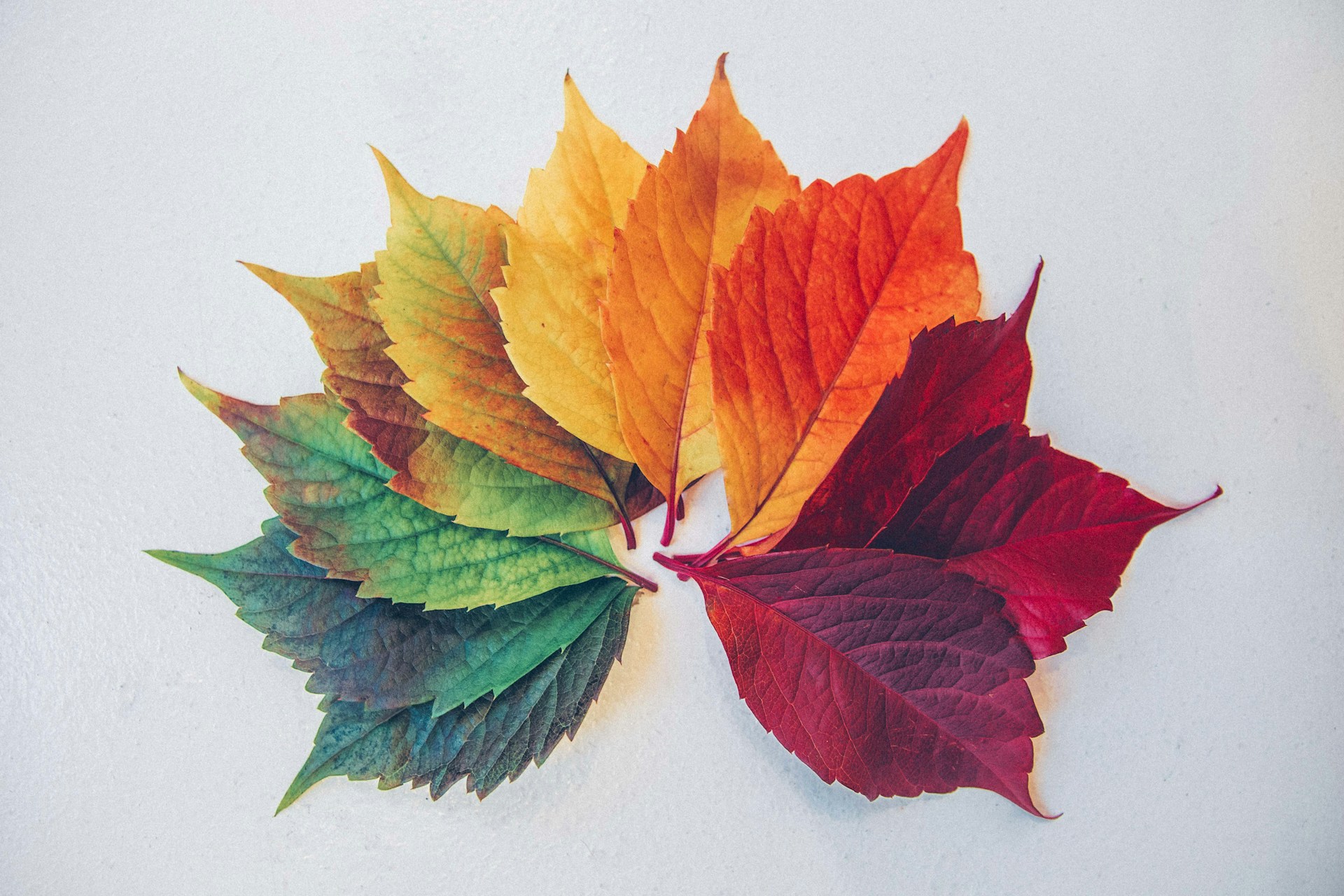
Aging, like every season of life, carries us forward. But this forward motion doesn’t make it a straight line. I’ve come to think of life less as a bell curve and more as a seasonal experience with winters and springs, some scorching summers, and the beauty of fall that New England is known for. Each season asks something different of us. And, as Joan Chittister writes, the values we bring to whatever season we are in is what aging is about. This way of aging is what leads to developing wisdom rather than getting lost in the temptation to resist what is an essential aspect of the human experience.
Our approach to aging and the values we bring to it are strengthened by living gratefully in every season. Grateful aging helps us to…
Treat aging as an opportunity rather than something to resist
We see that aging is not something to overcome, but a part of our ongoing becoming and understanding. We learn that we always have an opportunity to put our values into practice and to choose love, kindness, and appreciation in all that we do and in each relationship.
Say yes to joy by releasing old narratives and former goals
Grateful aging frees us of things that are no longer life-giving. As a result, we can be open to life and look for new opportunities and joys found in aging. We can say yes to joy, even as we face uncertainty, because change liberates us from the illusions and identities we may have constructed to help us in the past but now feel constrictive.
Come alive to this season of life by belonging to oneself
By living gratefully, we arrive to each season of life already belonging to ourselves because we have chosen to be contributors to a better, kinder world. We accomplish this by recognizing all that is given to us and all that we share with others. So, if the world measures whether or not people matter based on their productive output, those metrics have no bearing on how we see ourselves. We know the love we put out is far more valuable than any other metric.
As I ponder my time with a new centenarian, I keep asking myself: If our growth as humans and individuals doesn’t stop at midlife, what might my next season ask of me and how do I prepare for it with an open heart?
What is this season of your life asking of you?
Photo by Chris Lawton
Grateful Aging: Join Us for a Transformative Workshop
Whether you're 40 or 80, join us September 29 for a virtual workshop to discover how gratitude can transform not just how you age, but how fully you live each day you’re given.

Comments are now closed on this page. We invite you to join the conversation in our new community space. We hope to see you there!